AHPA 2025 Convention SPEAKERS
Keynote Speakers

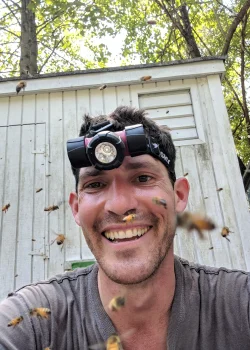
Keynote - Culprits in Dying Bees - 10:30am Dec. 3, 2025
Dr. Zac Lamas - USDA-ARS, Beltsville, MD
Talk Description: In 2023 beekeepers in the state of Florida reported sudden and severe losses of commercially managed colonies prior to almond pollination. This talk covers the pathogen, parasite and pesticide panel during that event, impacts on beekeepers and benefits for the industry.
Bio: Zac Lamas runs the UMBC bee lab where he studies the impacts of Varroa and the effects of pesticides on honey bee health. Zac works directly with commercial beekeepers to identify hazards in crashing colonies. He completed his PhD at UMD in 2022. Previously he worked for French Hill Apiaries while running his small migratory queen rearing operation.
Keynote: Susceptibility of European foulbrood pathogen Melissococcus plutonius to oxytetracycline and common disinfectants - 8:30am Dec. 4, 2025
Peter Fowler, Michigan State University
Talk Description: Dr. Peter Fowler will share recent research being conducted at Michigan State University on the honey bee disease European foulbrood, which has become highly pervasive among Michigan commercial and sideliner beekeeping operations. We’ll discuss the most recent findings on antibiotic resistance, pathogen persistence, and tools that may be useful in reducing EFB transmission.
Bio: Peter Fowler received his DVM from Michigan State University College of Veterinary Medicine in 2020 and continued at Michigan State for a PhD in the Veterinary School’s department of Comparative Medicine and Integrative Biology. His primary focus is epidemiology and disease ecology and since 2021 he has been working under the guidance of Dr. Meghan Milbrath to better understand European foulbrood, a serious bacterial disease affecting honey bees.
Keynote - Improvements and Reassessments of Testing Amitraz Resistance in Varroa - 9am Dec. 5, 2025
Dr. Frank Rinkevich, USDA-ARS, Baton Rouge, LA
Talk Description: This presentation will discuss new findings on amitraz resistance in Varroa with the most up to date findings from this year’s research. Genetic and genomic data shows support for some hypotheses while providing novel insights and reassessments for others. Improvements for field testing and genotyping are discussed. This talk will also show how amitraz reisistance in Varroa impacts honey bee health and productivity for economic consideration.
Bio: Dr. Frank D. Rinkevich is a Research Entomologist at the USDA-ARS Honey Bee Breeding, Genetics, and Physiology Laboratory in Baton Rouge LA. Frank has extensive training in insect toxicology, biochemistry, molecular biology, and genetics. The goal of Dr. Frank’s research is to provide a basic understanding of pesticide toxicology that is relevant to field conditions in the commercial beekeeping industry. The major focus of Dr. Rinkevich’s research is amitraz resistance in the honey bee parasite, Varroa destructor. This project determining the prevalence and distribution of amitraz resistance in Varroa destructor, developing an international cooperative network for resistance monitoring with bioassays and genotyping, understanding the amitraz use patterns that lead to amitraz resistance, evaluating management practices to overcome amitraz resistant Varroa, and identifying new miticides.
General Session Speakers
Speaker - Unprecedented Losses, Urgent Action: Beekeepers Respond to the 2025 Emergency - 4pm Dec. 3, 2025
Bret Adee - Adee Honey Farm
Talk Description: In 2025, U.S. beekeepers reported the most severe colony losses on record, with commercial operations averaging 62% losses—posing a direct threat to beekeeping livelihoods and pollination services. The MAHA Commission’s recent findings link pesticide overuse to both pollinator decline and broader public health concerns. This presentation centers on the role of beekeepers in documenting these losses, driving research, and advocating for policy change. Attendees will explore the science behind pesticide impacts, the history of regulatory failures, and practical strategies beekeepers can use to protect their bees, support agriculture, and strengthen the future of their operations.
Bio: Bret Adee is a third-generation commercial beekeeper and co-owner of Adee Honey Farms, the largest beekeeping operation in the United States, managing approximately 80,000 hives across multiple states. He oversees pollination services for crops like almonds and apples and is a prominent advocate for pollinator health and sustainable agriculture.
Speaker - What's in the box: Musings from a Honey Bee Diagnostic Lab - 2pm Dec. 3, 2025
Zack Bateson - National Agricultural Genotyping Center
Talk Description: Diagnostic laboratories play a critical role in detecting honey bee threats, reducing misdiagnoses, and providing data-driven insights to improve disease management. At the National Agricultural Genotyping Center, almost a decade of diagnostic work has evolved into both a technical service and a lens into broader questions about pathogen surveillance. This talk will showcase some collaborative projects that range from small-scale surveys to the national efforts like Tropilaelaps eDNA monitoring initiative. As new threats emerge, there is a growing need for an industry-aligned diagnostic consortium to standardize testing and expand access across the beekeeping industry.
Bio: Zack Bateson is the Research Director at the National Agricultural Genotyping Center (NAGC), a non-profit diagnostic lab in Fargo, ND. Since 2016, NAGC has been developing and expanding a comprehensive panel to detect pests and bee traits that impact the beekeeping industry. NAGC aims to improve turnaround times for diagnostic results that support national efforts in pest surveillance and disease management research. While Zack knows how to use a hive tool, he is most often found at the lab bench, in front of a computer, or nerding out on the prairie searching for unique native species.
Speaker - Impact of a nutritionally complete pollen-replacing feed on the performance of honey bee colonies and their bacterial microbiome during nutritional shortages. - 9:15am Dec. 4, 2024
Dr. Thierry Bogaert - APIX Biosciences & Dr. Brandon Hopkins - Washington State University
Talk Description: We will describe in detail the previously unstudied behavior of “how honey bees consume pollen or pollen/protein supplements in the hives” and discuss “how this impacts the feed consumption of colonies”. In addition, we will report more insights on honey bee nutrition and the feed conversion efficiency of pollen replacing feed, derived from long term experiments in WSU and Belgium where bees in tents with no access to natural pollen are fed only pollen replacing diets for 3 months. This includes a study in tent and field conditions of the effect of a nutritionally complete “pollen replacing feed” on the bacterial gut microbiome of colonies. The implications of our findings for the nutritional management of honeybee colonies in situations of pollen dearth will be discussed.
Bio: Dr. Bogaert: After holding faculty positions at the MRC-LMB Cambridge (UK) and Ghent University, Thierry Bogaert, led Devgen nv, the Agrotechnology company Devgen that discovered RNAi based crop protection. As CTO of APIX Biosciences he led the development of the first nutritionally complete pollen replacing feed.
Dr. Hopkins is an Associate Research Professor at Washington State University, Department of Entomology. His work led to the world’s first honey bee germplasm repository at WSU and inclusion of honey bee semen in the USDA National Animal Germplasm Program. He focusses on practical solutions for the beekeeping industry including bee breeding, nutrition and varroa control. After holding faculty positions at the MRC-LMB Cambridge (UK) and Ghent University, Thierry Bogaert, led Devgen nv, the Agrotechnology company Devgen that discovered RNAi based crop protection. As CTO of APIX Biosciences he led the development of the first nutritionally complete pollen replacing feed.
Speaker: Multiple Approaches to Bee Diseases Prevention & Control - 11:30am Dec. 4, 2024
Dr. Judy Chen - USDA-ARS, Beltsville, MD
Talk Description:Tropilaelaps mites (Tropilaelaps mercedesae) are an emerging invasive parasite that could pose a catastrophic threat to U.S. apiculture if introduced. While Varroa destructor has already transformed global beekeeping through heavy colony losses and increased dependence on chemical control, our findings demonstrate that Tropilaelaps inflict even greater damage on honey bee brood and physiology. In controlled studies, Tropilaelaps showed higher brood infestation rates than Varroa, severe neuromuscular impairment in emerging adults, extensive fat body tissue destruction, and widespread suppression of host immune and metabolic pathways. Critically, Tropilaelaps were largely unresponsive to acaricide treatment, indicating that existing Varroa-targeted controls are inadequate. Although currently limited mainly to Asia, recent detections in New Guinea, South Korea, and parts of Russia highlight their capacity to adapt to temperate climates and expand geographically. The accidental introduction of Tropilaelaps into North America would likely result in rapid and large-scale colony collapses, compounding the existing burden of Varroa and threatening pollination services vital for U.S. food production. These results underscore the urgent need for research, early detection, and integrated surveillance strategies to prevent Tropilaelaps establishment. Proactive preparation by regulators, researchers, and industry stakeholders is essential to safeguard pollinator health, agricultural sustainability, and national food security.
Bio: Dr. Judy Chen is Research Leader of the USDA Bee Research Laboratory in Beltsville,
Maryland, where she leads a team dedicated to improving honey bee health and reducing colony losses that threaten U.S. agriculture. Her research focuses on major stressors—including pathogens, parasites, and pesticides—and how they interact to undermine colony resilience. Ongoing projects include testing new disease treatments, developing early detection tools, and examining bee responses to multiple stress factors. The goal of this work is to provide practical, science-based solutions that help beekeepers sustain healthy and productive honey bee populations.
Speaker - SHARP | Short Hive Audio Recording Predictor - 1:30pm Dec. 4, 2025
Nico Coallier - Nectar Technologies
Talk Description: Precision beekeeping research using audio recording has focused on in-hive sensors for real-time event detection. However, beekeepers’ smartphone access suggests an alternative. This work explores using short audio segments from beehives for non-invasive assessment, reducing interventions. Our model was trained with 2100 mobile recordings from Nectar beekeepers and 5000 in-hive recordings from the URBAN dataset. Each signal was split into 15 one-second frames, transformed to modulated spectrograms, and domain adaptation was applied. A two-stage approach uses an AutoEncoder for feature extraction, followed by a model predicting bee frames with uncertainty. Unseen mobile data yielded a mean absolute error (MAE) of 3.71 frames and a 92% accuracy on detecting queen right. This demonstrates the potential of mobile recordings to enhance beekeeping intelligence and promote low-touch practices. The model is deployed on devices for sustainable AI, with inference and fine-tuning on-device to lower carbon emissions. Continuous training daily improves performance.
Bio: Nico Coallier is the CTO of Nectar Technologies, Co-Founder of Cubee and the co-owner of a small commercial beekeeping operation focused on mead production and data collection for scientific innovation, Miellerie Flavo. He’s a biologist with a deep expertise in Ecology and statistics. After working for a couple years as an entomologist in the context of conservation and starting a mushroom farm, he started beekeeping 9 years ago while working as a Data Scientist solving over 200 different business problems and working for big tech when he really learned the state of the art of AI. He’s been leveraging his biology, mycology, entomology, programming, mathematics and AI knowledge to improve different topics in biology over the last 11 years. WIth a strong expertise in bioacoustics and many scientific publications on honeybee bioacoustics, he now switched his focuses on building robust science with a large dataset on the impact of beekeeping practices on honeybee health and performance as well as better understanding the impact of the landscape and climate change on honeybees. He’s pushing the limit of the biology of beekeeping by leveraging state of the art deep learning models and Nectar big data on commercial colonies. When he’s not coding or beekeeping, he’s playing with his dogs, doing outdoor activities or gardening!
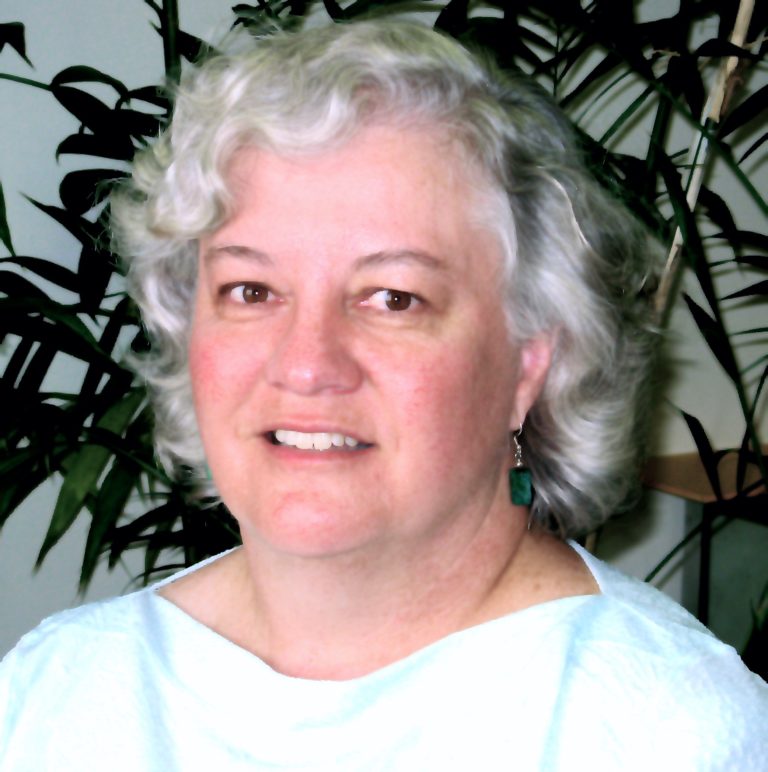
Speaker - Honey Bees are Native Bees? - 2pm De. 4, 2025
Dr. Diana Cox-Foster - USDA-ARS, Logan, UT
Talk Description: To come…
Bio: Dr. Diana Cox-Foster is a Research Leader and Entomologist at USDA-ARS Pollinating Insects Research Unit (PIRU) in Logan, Utah. PIRU focuses on biology, management, and systematics of all bee species. Stakeholders include bee keepers, bee managers, growers who use Apis and non-Apis bees for pollination, and land managers of natural ecosystems. PIRU has the U.S. National Pollinating Insect Collection, with research on conservation of bee biodiversity. Cox-Foster examines the impact of pathogens and pesticides on bee health, for honey bees, bumble bees, and solitary bees. Cox Foster received a B. S. in Entomology and Zoology at Colorado State University and a M.S. and Ph.D. in Entomology at University of Illinois at Urbana-Champaign. Cox-Foster gained skills in molecular biology as a post-doc at Vanderbilt University. In 1987, Cox-Foster joined Penn State University as a faculty member and served as a full professor. At PSU, Cox Foster was one of the initial scientists responding to colony collapse disorder in honey bees and co-director of the CCD working team. She transitioned to USDA-ARS in October 2015.
Speaker - Davis USDA-ARS bee lab update: Developing novel interventions for colony health - 11am Dec. 4, 2025
Dr. Julia Fine - USDA-ARS, UC Davis, CA
Talk Description: This presentation will summarize the efforts of the Pollinator Health Laboratory in Davis, CA to develop novel tools for commercial beekeepers. This work is the result of collaborative efforts between unit scientists, Drs. Julia Fine and Vincent Ricigliano, as well as academic and beekeeper collaborators.
Bio: The focus of my work with USDA-ARS is the development of novel strategies to enhance the performance of honey bees while simultaneously hobbling the organisms that harm them. As an insect toxicologist, my approach involves understanding how chemicals affect the biology, physiology, and behavior of both Varroa mites and honey bees, and using this knowledge to develop targeted solutions that can be easily implemented by commercial beekeepers. To this end, I have formed productive collaborations within ARS, academia, and the beekeeping community, the results of which will be discussed in this presentation.
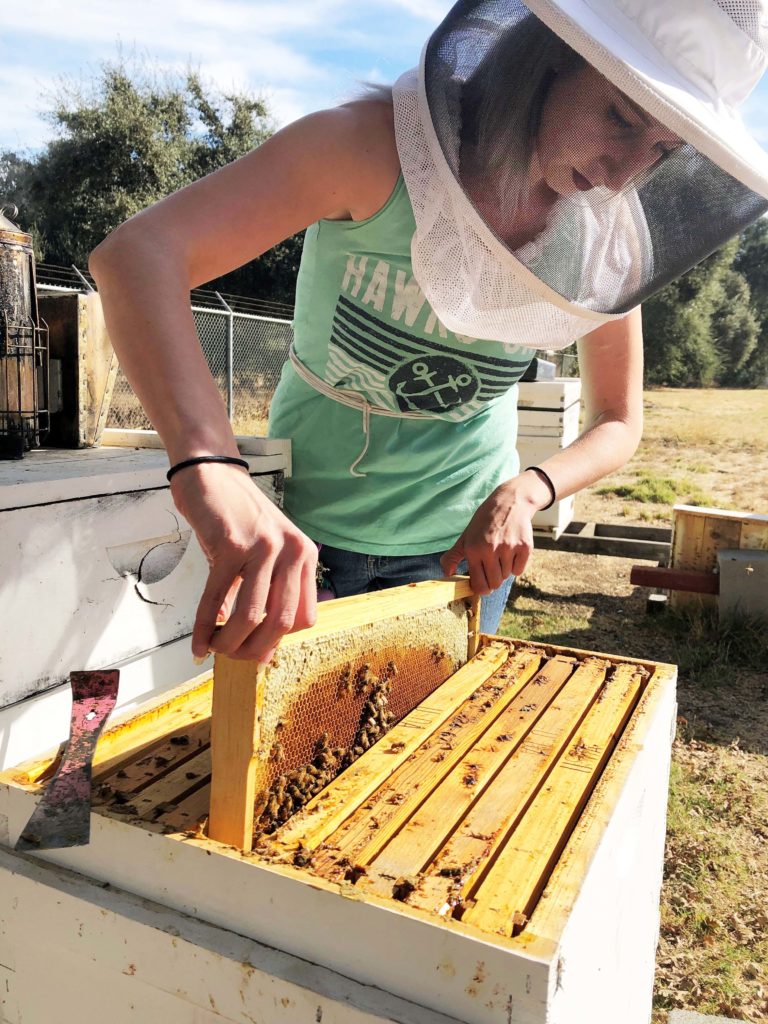
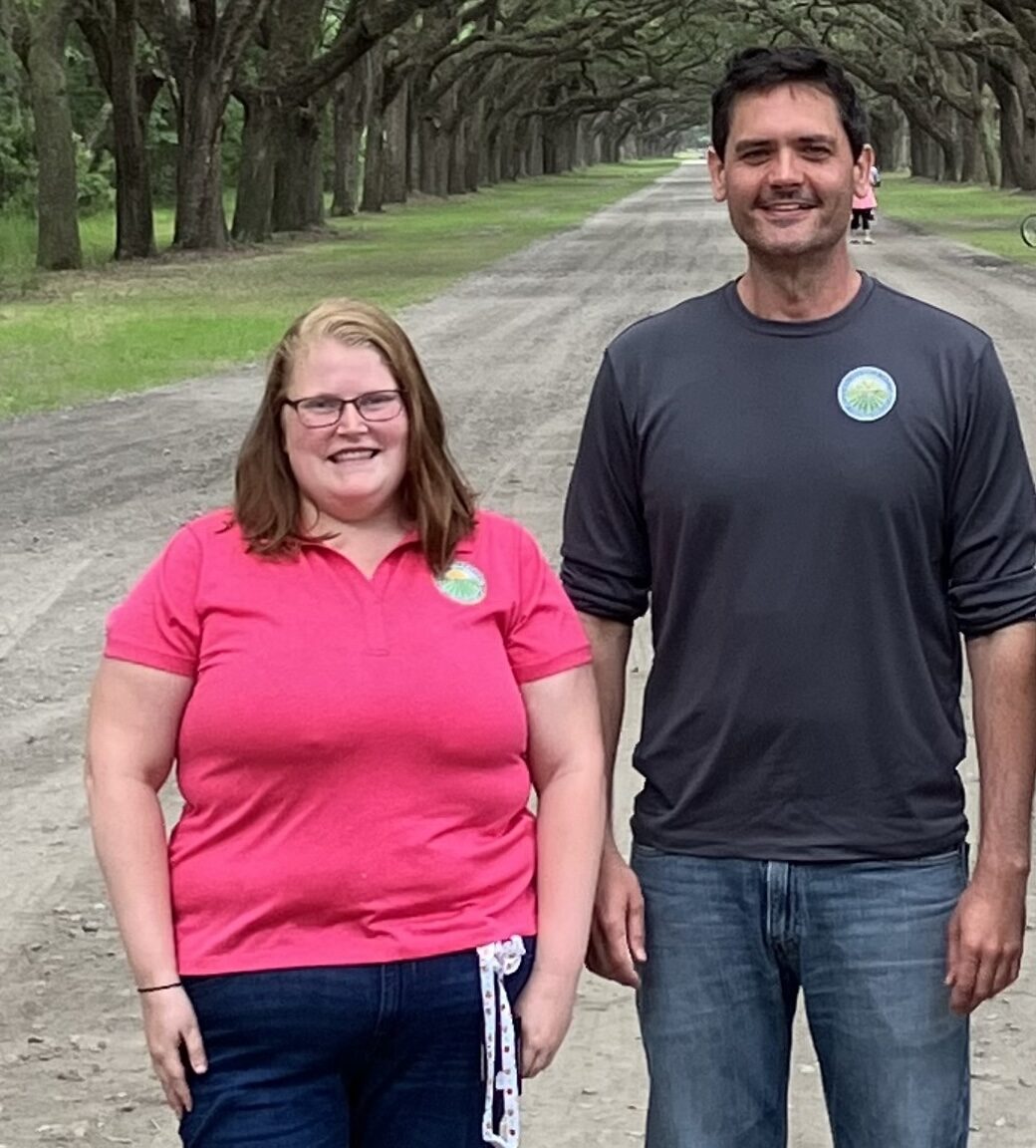
Speakers - FDACS - Division of Plant Industry Honey Bee Activities & Updates - 1:30pm Dec. 4, 2025
James Fulton & Erin Jenkins - Florida Department of Agriculture & Consumer Services, FL
Talk Description:A presentation to highlight the activities of Florida Department of Agriculture and Consumer Services – Division of Plant Industry in the bee world including regulatory policy, science advancements and future agency developments.
Bio: James Fulton received his PhD in plant pathology from the University of Florida in 2021. In 2022 he joined FDACS and started Florida’s first Honey Bee Diagnostic Laboratory (HBDL).
Bio: Erin Jenkins graduated from Warner University with a bachelor’s degree in agriculture sciences in 2021. Erin has worked as an Apiary Inspector and Apiary Regional Supervisor with FDACS in South Florida from 2021-2023 before she became the State Apiarist in 2023.
Speaker - Influence of Varroa destructor infestation levels on the efficacy of VarroxSan strips for summer control in the Southeastern United States - 11:30pm Dec. 4, 2025
Agostina Giacobino - Auburn University, AL
Talk Description: In 2023 beekeepers in the state of Florida reported sudden and severe losses of commercially managed colonies prior to almond pollination. This talk covers the pathogen, parasite and pesticide panel during that event, impacts on beekeepers and benefits for the industry.
Bio: My name is Agostina Giacobino, a biologist from Argentina with a PhD in Biological Sciences, focused on risk factors linked to the presence and spread of Varroa destructor. I am an Associate Researcher at Argentina’s National Scientific and Technical Research Council, currently on leave to gain international experience. In 2024, I joined the Auburn University Bee Center, led by Dr. Williams, as a visiting researcher. My work includes coordinating the U.S. Beekeeping Survey about national colony losses, conducting field trials on Varroa control methods, and, in 2025, interviewing beekeepers across the country to gather insights on Varroa management and amitraz resistance.
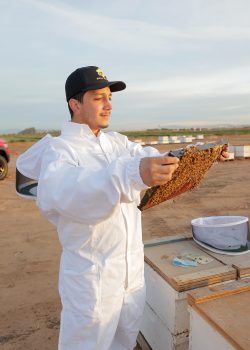
Speaker (Industry Sidetrack) - ELAP, Taxes, and the Future of beekeeping - 2:30pm Dec. 4, 2025
Donavan Gonzalez, Arizona Apiaries LLC, AZ
Talk Description: This presentation explores how modern technology revolutionizes beekeeping by enhancing knowledge, efficiency, and hive management. Attendees will learn how tools like hive monitoring sensors, mobile apps, and automated recordkeeping streamline daily tasks, track colony health, and improve decision making. emphasis will be placed on data driven practices, loss prevention, and simplified reporting for programs lie ELAP. the session highlights real world applications and benefits for both small scale and commercial operations, showing how embracing tech leads to healthier bees, better yields, and smarter, more sustainable beekeeping practices.
Bio: Born in Jalisco Mexico, the land of Tequila. I began beekeeping alongside my father at the age of four. After moving to the USA at seven, I got my first ten hive at the age of ten and expanded to over 200 before graduating high school with my A&P license and pursued a degree in Aerospace engineering from ERAU. Lived in japan for a while but despite travels and technical training I found my true calling in the Apiary. now back home I return to my roots because no matter where I go, me home is with the bees.
Speaker - Project Apis m. updates - 11:45am Dec. 3, 2025
Ryan Lamb & David Mendes, Project Apis m. Executive Board
Talk Description: Project Apis m. board members David Mendes and Ryan Lamb will present at the 2025 American Honey Producers Association Convention in Tampa, Florida. Their session
will highlight science-based solutions and research funded by Project Apis m. that are driving progress in honey bee health and supporting the commercial beekeeping industry. Topics will include the latest U.S. colony loss survey results, updates on Tropilaelaps research, advancements from the Varroa-resistant breeding project, Hilo Bees, and a look at Project Apis m.’s new ownership of the Bee Health Collective, a resource connecting data, research, and education for the beekeeping community.
Bio: Ryan Lamb is a second-generation migratory beekeeper who manages Lamb’s Honey
Farm, which pollinates almonds in California, raises queens and queen cells in Texas, and produces honey in North Dakota. He serves on the AHPA Executive Committee and the North Dakota Honey Promotion and Research Committee. Lamb has also participated in POL-line bee-breeding field trials and continues selecting for Varroa- resistant stock using the BEST commercial selection method developed with fellow collaborators.
Bio: David Mendes, now retired, operated more than 20,000 hives for crop pollination and
honey production. Based in Fort Myers, Florida, his migratory operation brought bees to
Maine for blueberry pollination, Massachusetts for cranberries, and California for almonds. Mendes has been a full-time commercial beekeeper since 1977 and is a past president of the American Beekeeping Federation.
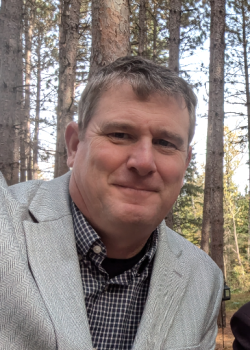
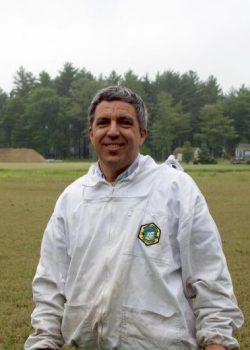
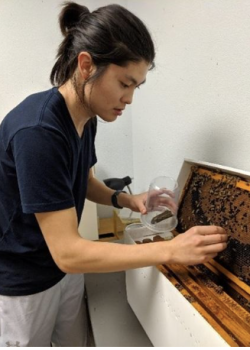
Speaker - Honey as a bioindicator of environmental change: chemical and pollen composition reveal spatial trends correlated with weather and landscape parameters - 9:45 Dec. 4, 2025
Pierre Lau - UDSA-ARS, Stoneville, MS
Talk Description: This presentation will highlight research how honey can be used as a bioindicator for environmental change when honey is analyzed for its identity and physiochemical properties. Markers for honey adulteration were also screened, which can be used for tracking product authenticity.
Bio: Pierre Lau began researching pollinators in 2011 on native bee pollination efficiency in a watermelon agroecosystem and salt preferences of honey bee water foragers. He received his B.S. in Environmental Systems: Ecology, Behavior, and Evolution from University of California, San Diego (UCSD). He then received his Ph.D. as a USDA NIFA Predoctoral Fellow at Texas A&M University under the direction of Dr. Juliana Rangel. Currently, Pierre is a Research Ecologist for the USDA’s Pollinator Health in Southern Crop Ecosystems Research unit in Stoneville, MS.
Speaker - The American Honey Institute - 9:30am Dec. 3, 2025
Dr. Bryan McCornack, Kansas State University, KS
Talk Description: Dr. McCornack will speak to the new American Honey Institute in Manhattan, Kansas and how it will bring a fresh approach to the beekeeping and honey production industry. He will share it’s mission, accomplishments to date, and speak to the future.
Bio: Brian McCornack is a Professor and Department Head for Entomology at Kansas State University (K-State) with research, Extension and teaching responsibilities. He is also a Co-Director of Engagement for the Institute for Digital Agriculture and Advanced Analytics (ID3A) at K-State. He has an integrated research program that facilitates the discovery and application of tangible solutions to emerging pest and beneficial insect issues, including endemic and invasive species impacting soybean, corn, sorghum, wheat, and other major crops across the Southern Great Plains. McCornack has developed a wide range of Integrated Pest Management (IPM) tools for use in commercial agriculture, including widely adopted economic injury levels and thresholds for invasive species, sampling plans for key agronomic pests, and sampling strategies for managing economically important species, natural enemies, and pollinators using computer vision. He is leading the development of the American Honey Institute partnered with the American Honey Producers Association and Valor Honey to elevate the beekeeping and honey production industry to a new and exciting level.
Speaker - Nutrition in Carrot Seed - 2:30am Dec. 4, 2025
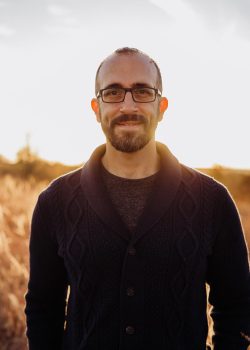
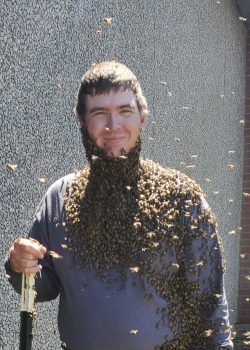
Riley Reed - Washington State University, WA
Talk Description: Foraging honey bees transferring pollen between fields is a substantial concern for producers of carrot (Daucus carota) seed and other insect pollinated seed crops. This study tested the impact of feeding, supering, and manipulating food reserves on the foraging of honey bees. While the results of this study did not show any significant impact of these practices, these findings demonstrate they may not have as big an impact on pollination as is often thought. This knowledge can be used by beekeepers and growers alike to improve communication when negotiating pollination contracts.
Bio: Riley is a graduate student in the Washington State University Department of Entomology. He has been a beekeeper for 9 years, 8 of which were spent working with the WSU Honey Bee Program. His current research focuses on improving pollination in seed crops and managing parasites and pests of honey bee colonies.
Speaker - Science of sampling: What to sample to figure out colony loss issues? - 11:15am Dec. 3, 2025
Dr. Michael Simone-Finstrom, USDA-ARS, Baton Rouge, LA
Talk Description: From CCD to the recent massive colony losses, we are continuing to learn about the issues that bees and beekeepers are constantly dealing with. When problems arise, it is particularly important to understand what kinds of samples need to be collected to best diagnose and pinpoint causes. It is not always possible to separate current symptoms from potential causes, but with the right samples we can be more informed and provide better information. Preventing these losses is key, but understanding what is really contributing to them relies on critical and careful sampling. We will discuss the why, when and how of sampling to identify ways to get the most information and hopefully find ways to prevent and mitigate future colony issues.
Bio: Dr. Michael Simone-Finstrom is a Research Molecular Biologist with the USDA-ARS Honey Bee Breeding, Genetics and Physiology Research Unit in Baton Rouge, LA. His research has focused on individual and social mechanisms of disease resistance, including resin/propolis use, hygienic behavior and genetic diversity. His current work aims to add to this line of research by more fully understanding how these traits work in concert in order to promote them within the beekeeping industry and identify components of viral resistance in honey bees.
Speaker - Whole Farm and Micro Farm Revenue policies- 9:45 Dec. 3, 2025
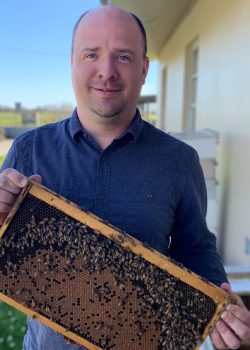
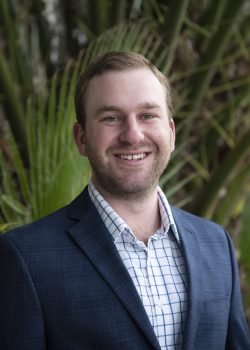
Drew Smythe- WSR, CA
Talk Description: Provide an overview of Whole Farm and Micro Farm Revenue policies and how they can benefit honey producers. Whole Farm and Micro Farm can allow a producer to insure up to 90% of their historical revenues from the production of commodities – including honey or bee/queen sales! This is the most risk adverse program available for producers and helps provide a floor for their operations revenue. These programs use 3-5 years of tax records to establish a benchmark for an operations revenue history. These products can help with either the drop in the price of a commodity or loss due to weather related issues. These products are very affordable thanks to a recent increase in subsidy percentages – as high as 80% subsidized!
Bio: Drew developed a love for agriculture growing up in a small farm town in Northern California where he worked a number of years on local almond farms. He joined the WSR team in 2021 as a crop insurance agent and took on the role of crop insurance sales manager in 2025. Drew previously worked in the public accounting industry for three years before switching to crop insurance where he can better serve his clients. Drew is an expert in MPCI crop insurance programs and puts his accounting background to use with Whole Farm Revenue policies. Drew attended college at Ole Miss where he obtained a master’s in accounting. He now resides in his hometown of Woodland, CA.
Speaker - Betting on Colony Losses: predicting the 2024-2025 U.S. Beekeeping Survey results - 3:45pm Dec. 3, 2025
Dr. Geoffrey Williams, Auburn University, AL
Talk Description: Long-term monitoring of managed honey bee colony losses and key beekeeping
practices is critical to understanding the health of the industry, as well as to make policy decisions and set research directions. The Bee Informed Partnership National Loss and Management Survey tracked aspects of the beekeeping industry starting from 2007; this transitioned to the U.S. Beekeeping Survey in 2023. Here, Dr. Williams will briefly discuss the latest results of the U.S. Beekeeping Survey, then open the floor to interactive audience participation that reflects on recent key management actions and predictions for winter loss of this year.
Bio: Dr. Geoff Williams is an Associate Professor at Auburn University, and Director of its Bee Center. Geoff received his undergraduate degree at the University of Alberta (Canada), and then studied Nosema ceranae biology and management for his Ph.D. at Dalhousie University (Canada). He then jumped across the Atlantic to work on honey bee pesticide-parasite interactions and tropilaelaps mites at the University of Bern (Switzerland) and Chiang Mai University (Thailand) for six years as a research scientist. Geoff joined Auburn in late 2016; he is an Executive Committee member of the global honey bee association COLOSS and an apiculture subject editor for the Journal of Economic Entomology.
AHPA 2025 Convention PANELS
ELAP - The wins, the challenges & the future for ELAP
-
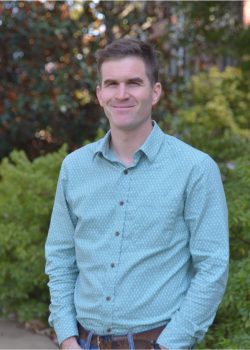
- Moderator: Eric Silva (North South Government Strategies)
-
- Chuck Kutik (Kutik Pollination)
-
- Ryan Lamb (Lamb’s Honey Farm)
-
- Justin McNeal (GroundShaker Consulting)
-

- John Miller (Miller Honey Farms)
Panel Description
Panel discussing the Emergency Livestock Assistance Program (ELAP), highlighting the most recent changes and wins, discussing the current challenges and envisioning the ELAP of the future.
Bee Health and Inspections
-
- Moderator: Brooke Decker (AIA President, VT)
-

- Samantha Brunner (ND AIA))
-
- Kristen Clark, DVM, MPH, DACVPM
-
- Jenna Crowler, UDAF
-
- Jennifer Lund, ME AIA
-
- Dr. Sabo, DMV, HBVC
Panel Description
Join experts from the Apiary Inspectors of America (AIA) and the Honey Bee Veterinary Consortium (HBVC) for a collaborative panel discussion exploring the intersection of veterinary medicine and colony health inspections. Panelists will examine the distinct and complementary roles of veterinarians and apiary inspectors, offering insights into effective partnerships and best practices for maintaining colony health.
Industry Discussion: Moving the Industry Forward
-
- Moderator: Matthew Mullica (Honey Bee Health Coalition)
-
- Scott Hamilton (Vice-President, AHPA)
-
- Charles Linder (BeeCause)
-
- Jackie Park-Burris (CSBA)
-
- Kamon Reynolds (NHBE)
-
- Patricia Sundberg (ABF)
Panel Description
This important panel will discuss each organization’s respective roles in the industry, their priorities, and current initiatives. They will also brainstorm how each organization could work with the others to improve the overall impact on the beekeeping industry and bee health.
Miticide Panel Discussion (Sideline): The Apiary Alliance : Collaborative Competitors – Better Together.
-
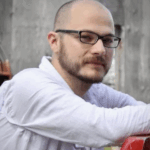
- Moderator: David Peck (Betterbee)
-
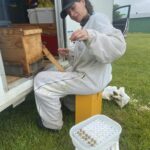
- Heather Broccard-Bell (NOD)
-
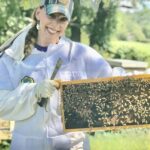
- Amber Leach (Veto Pharma)
-
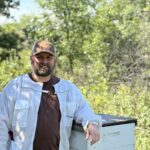
- Adam Pachl (Greenlight Biosciences)
-
- David Westervelt (Vita)
Panel Description
Representatives from leading industry miticide manufacturers, joining forces to discuss the importance of rotation, IPM, and proper product usage.
AHPA 2025 Convention Friday Workshop - NEW this Year!
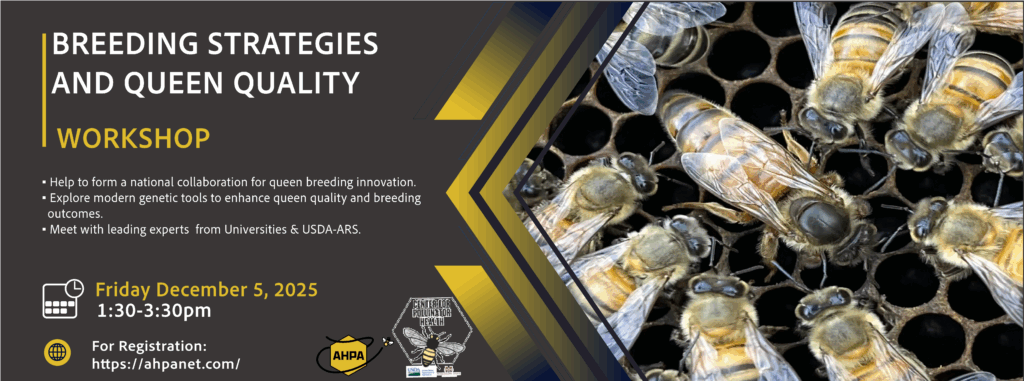
Breeding Strategies and Queen Quality
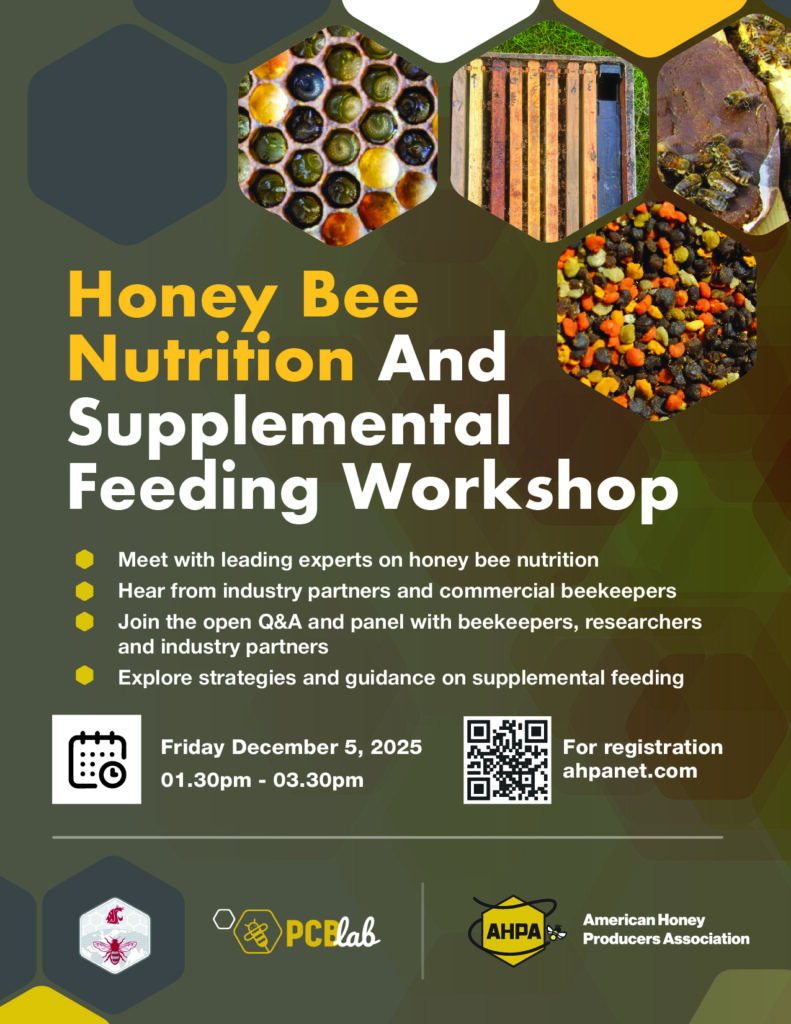
Honey Bee Nutrition & Supplemental Feeding